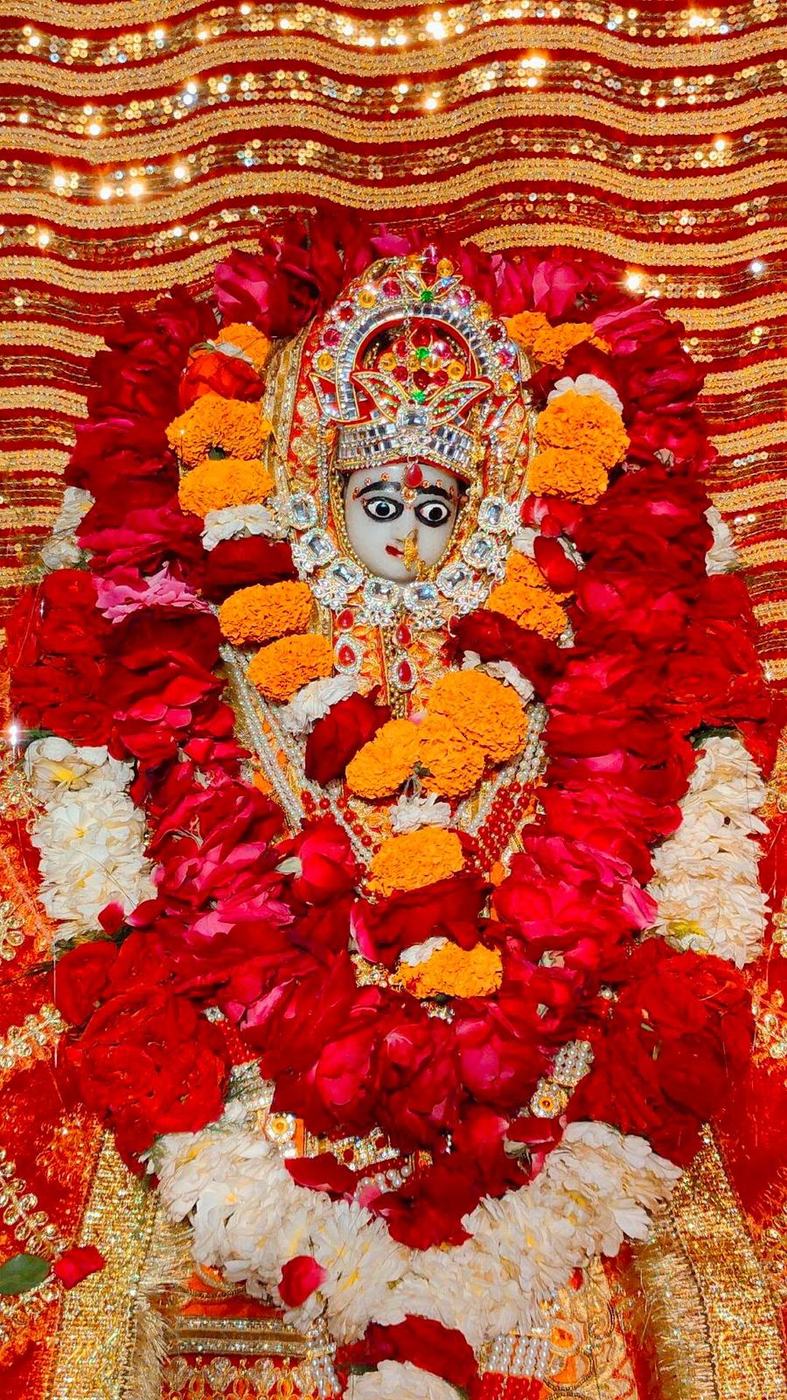
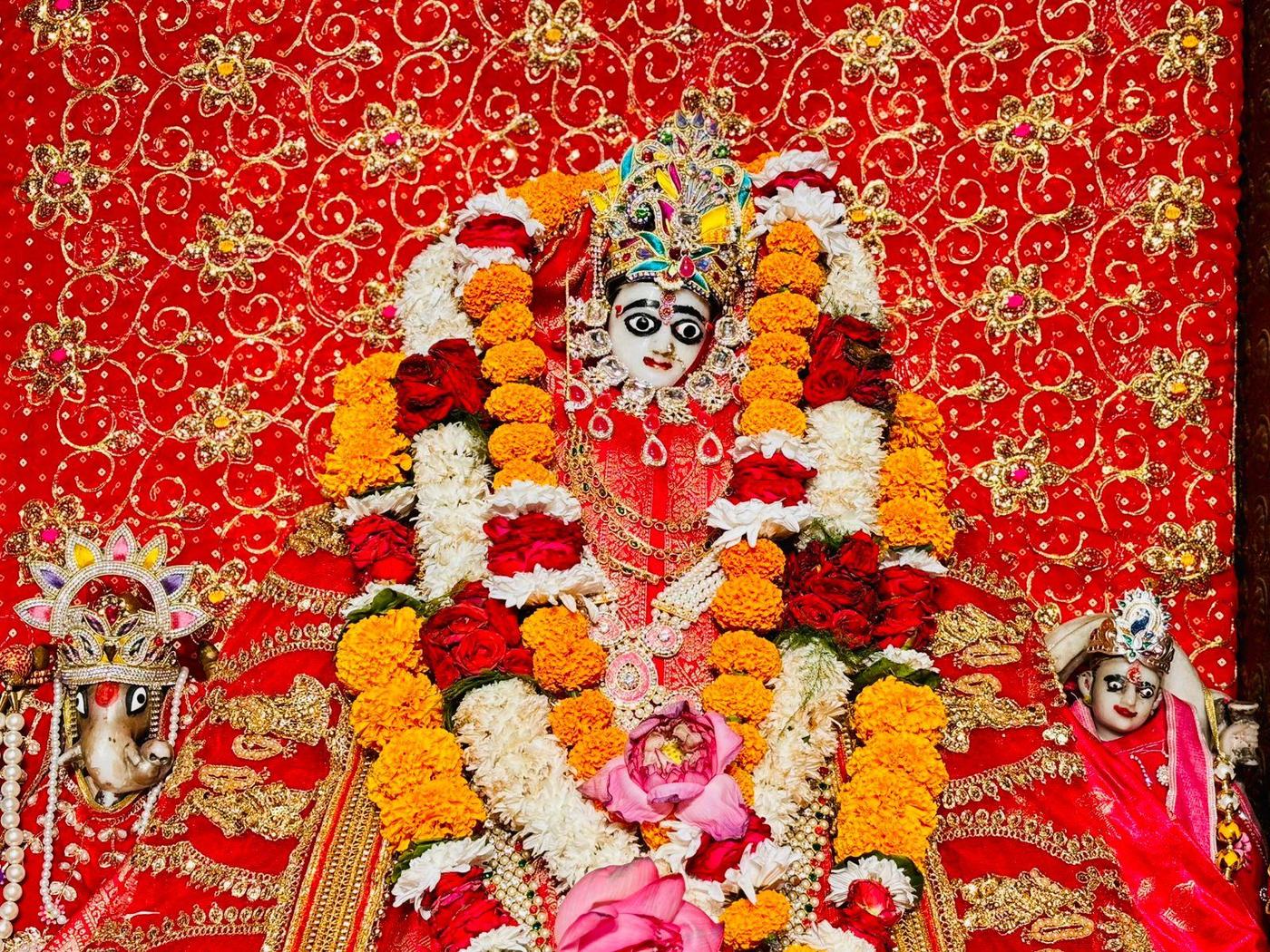
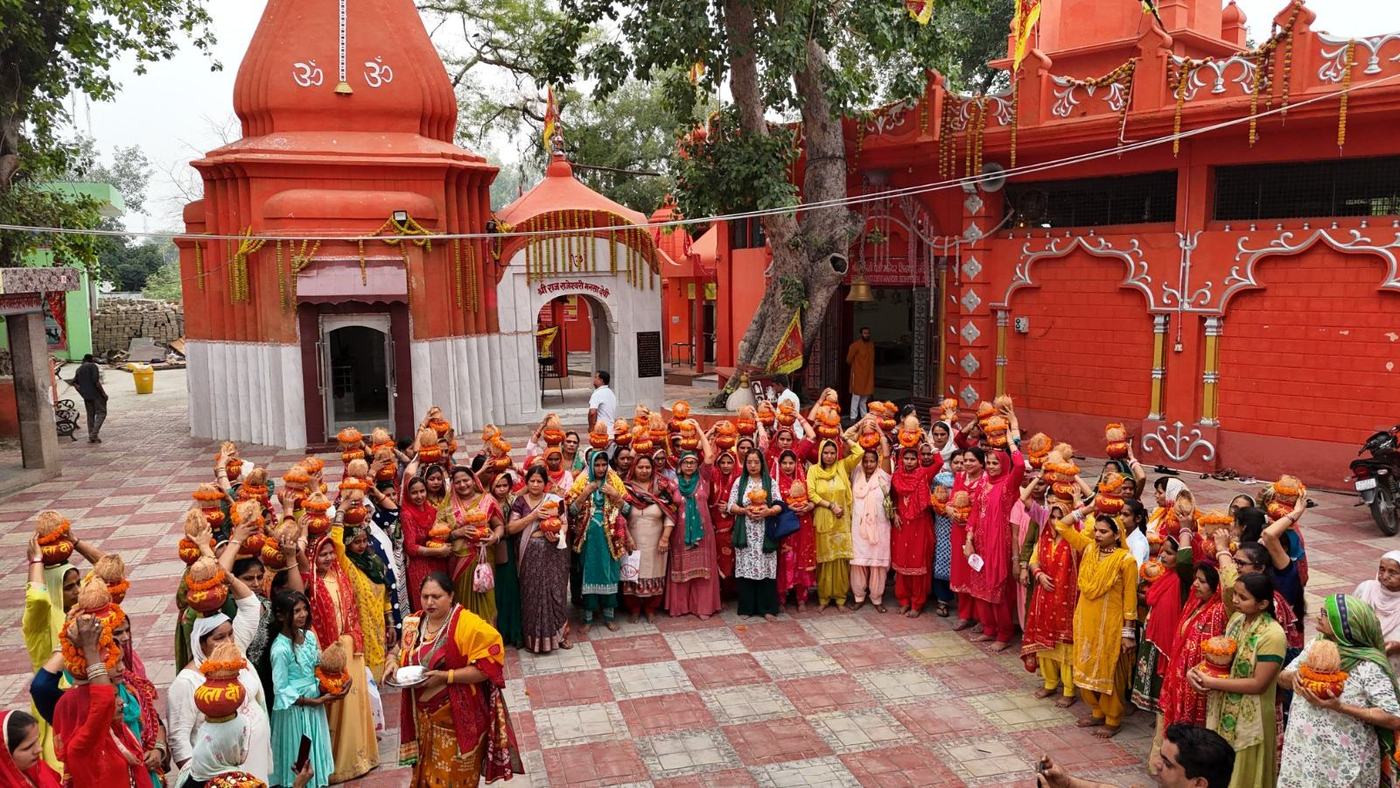
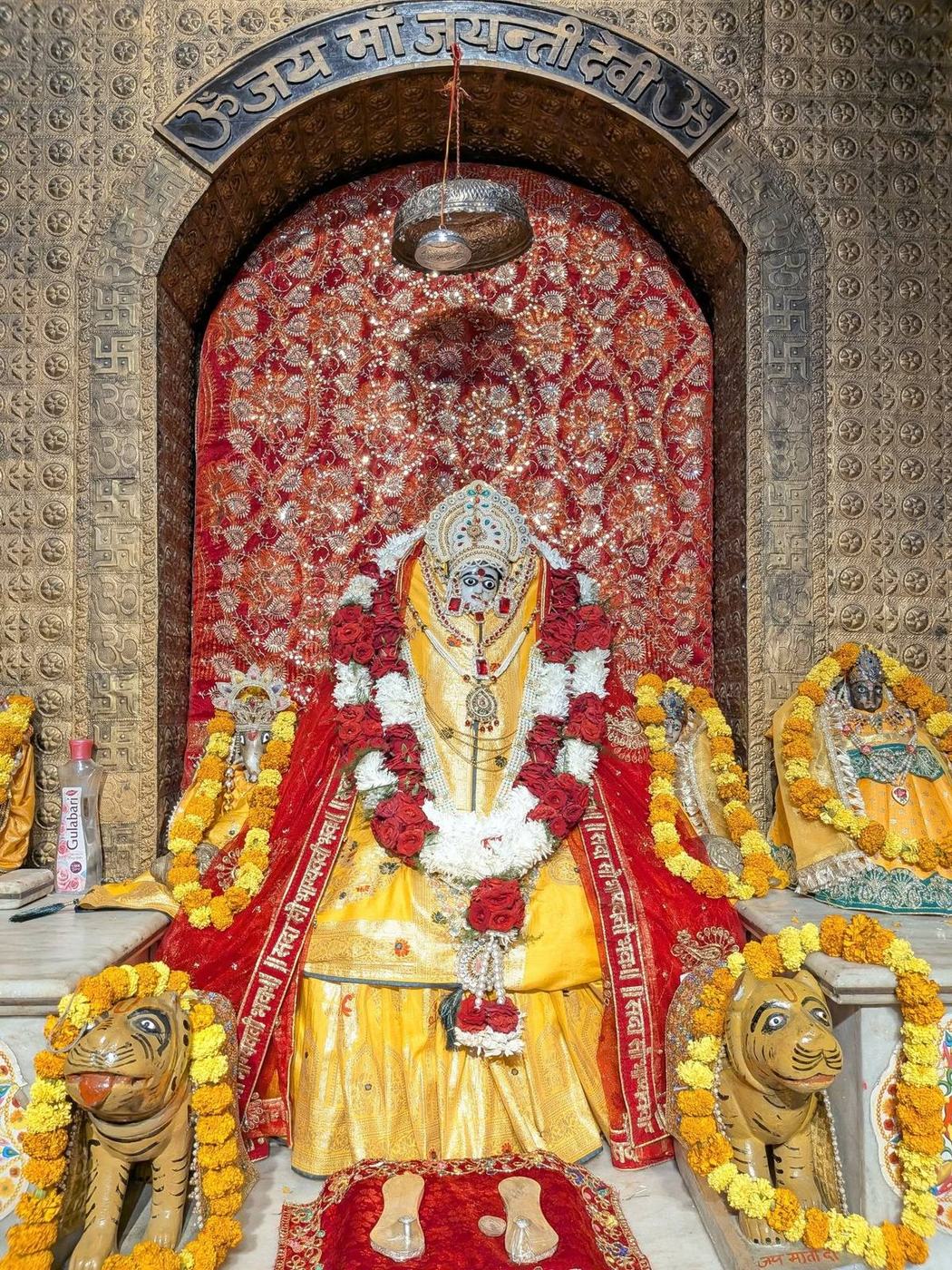
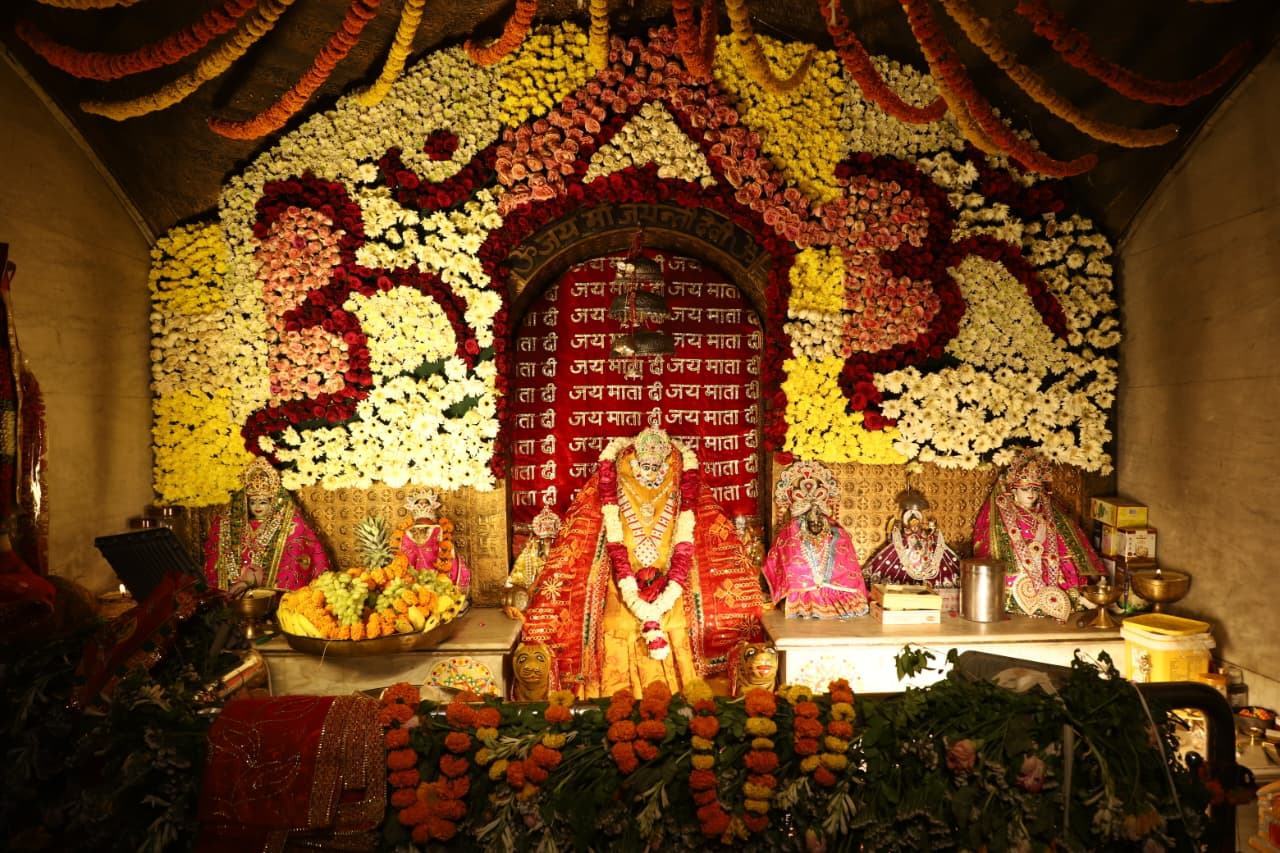
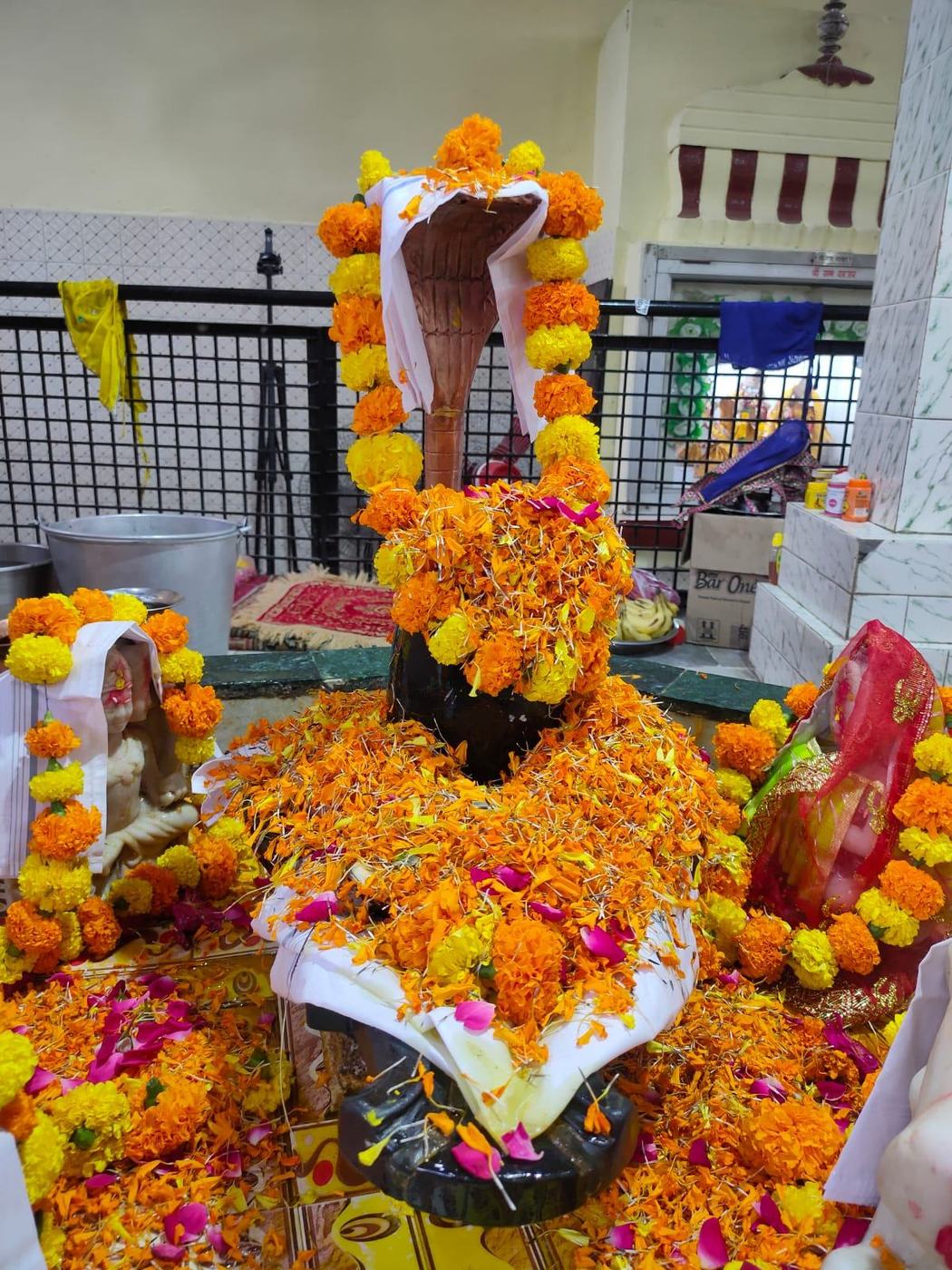
For generations, devotees have come to the sacred abode of Maa Jayanti Devi to seek her blessings, offer their prayers and celebrate the festivals and traditions that have made this temple an enduring part of Jind’s identity.
According to local tradition, the story of Jind begins here.
The Pandavas worshipped Jainti Devi, the Goddess of Victory, before the great battle of Kurukshetra. A temple was established in her honour, and a settlement grew around it. Known as Jaintapuri — the abode of Jainti Devi — the settlement eventually came to be known as Jind.
A Goddess.A Temple.A City.
A GoddessMaa Jayanti DeviThe Goddess of Victory
A TempleJaintapuriThe abode of Jainti Devi
A CityJind
Jaintapuri → JindJaintapuriJind
The story of Jayanti Devi is woven into the story of Jind itself.
The district administration describes Jainti as an ancient tirth associated with the traditional sacred geography of Kurukshetra and records the local tradition of the Pandavas invoking the goddess for victory.
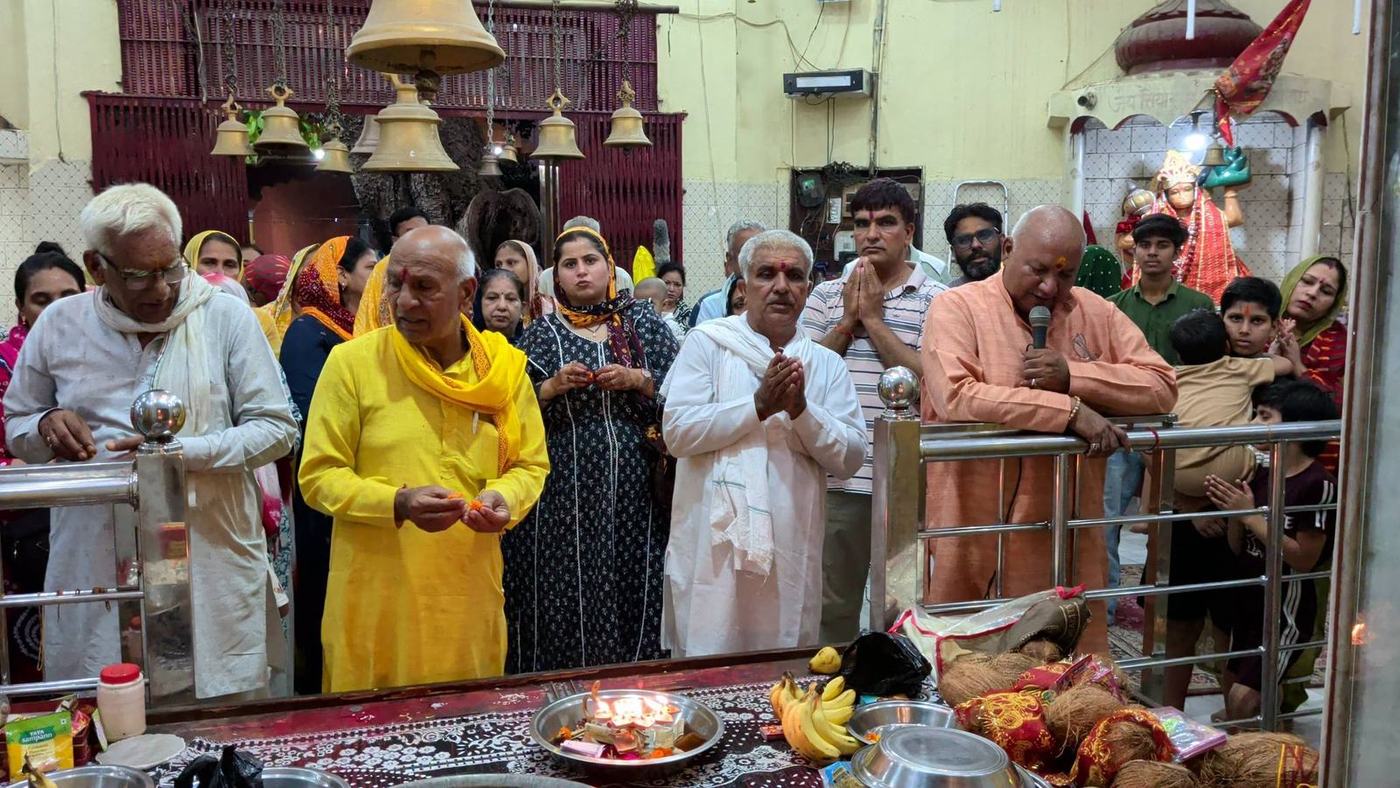
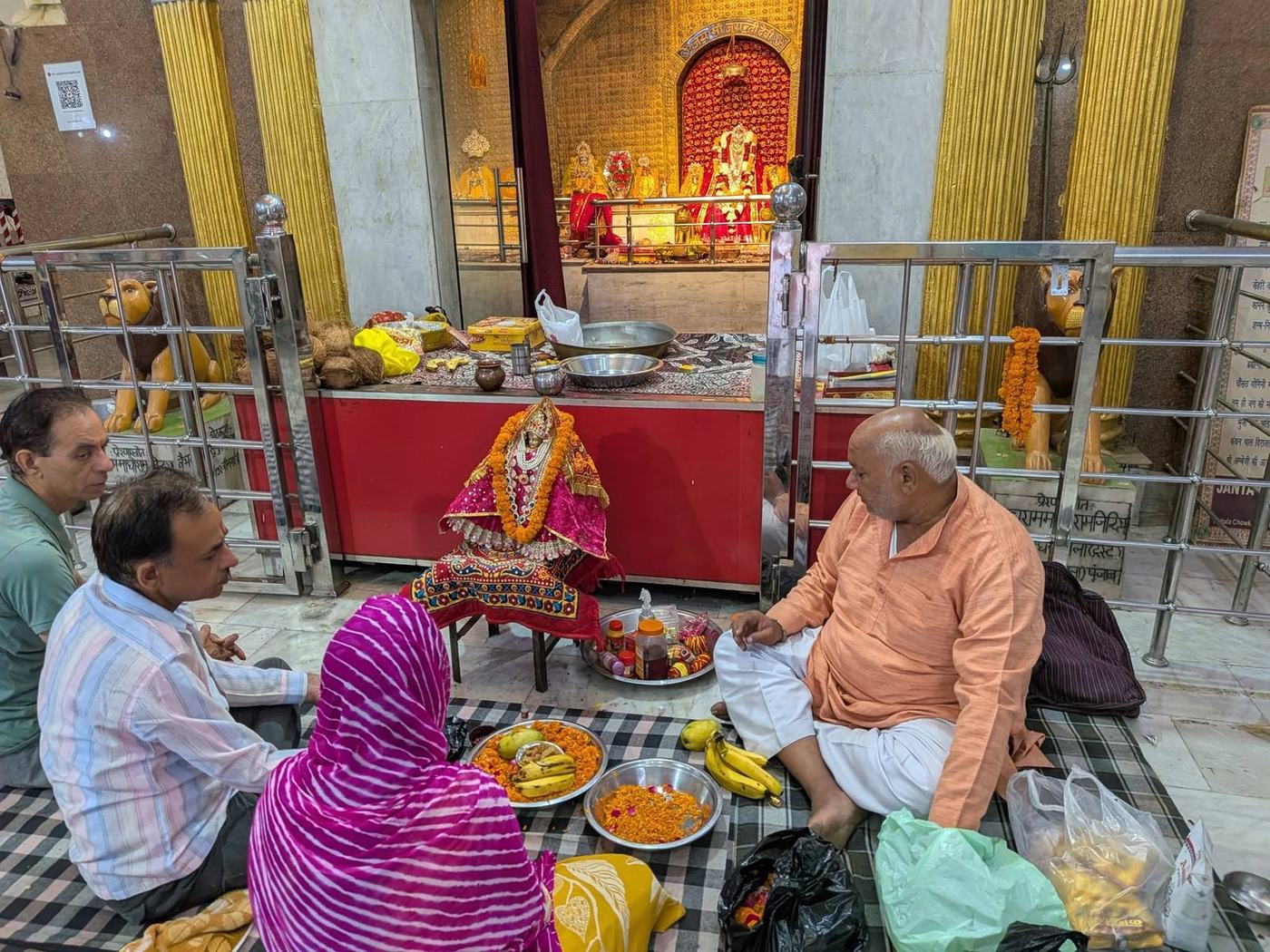
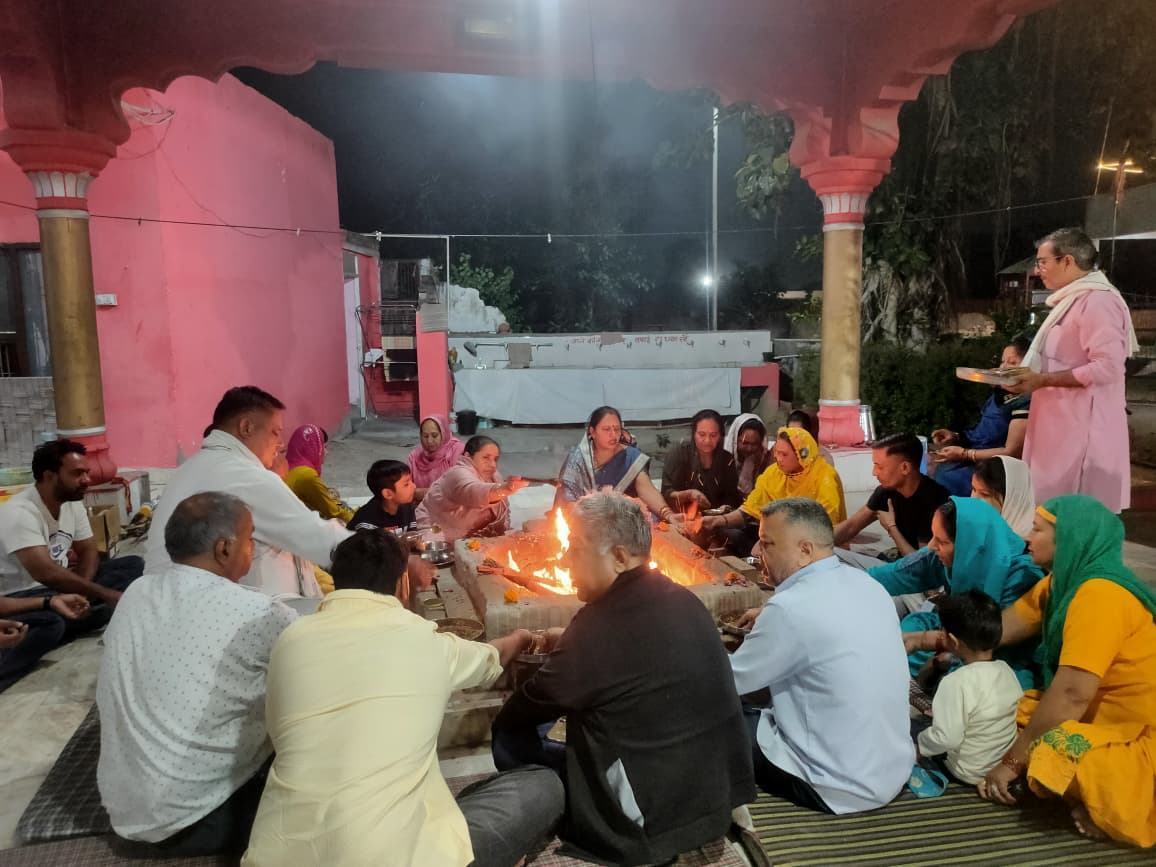
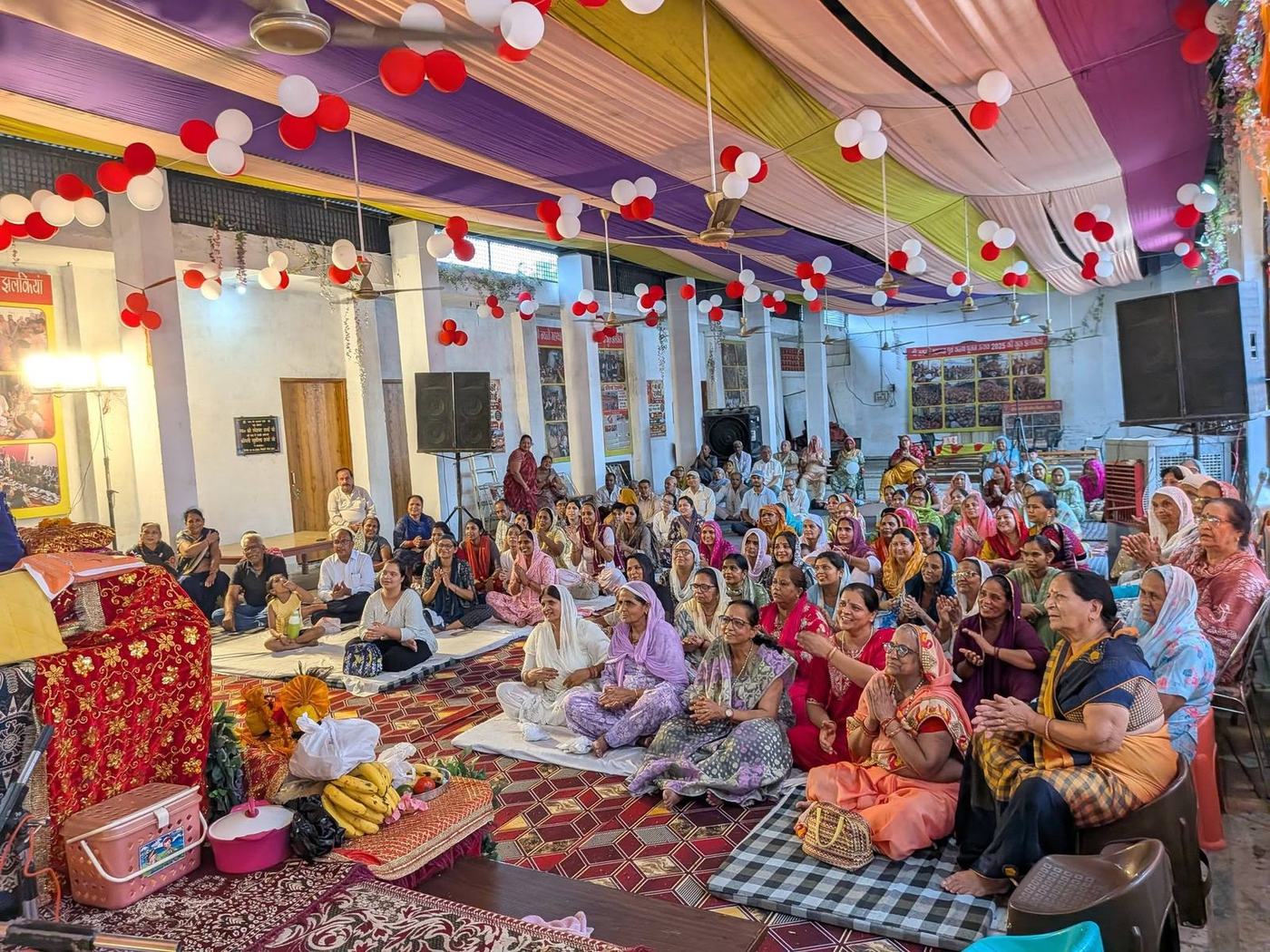
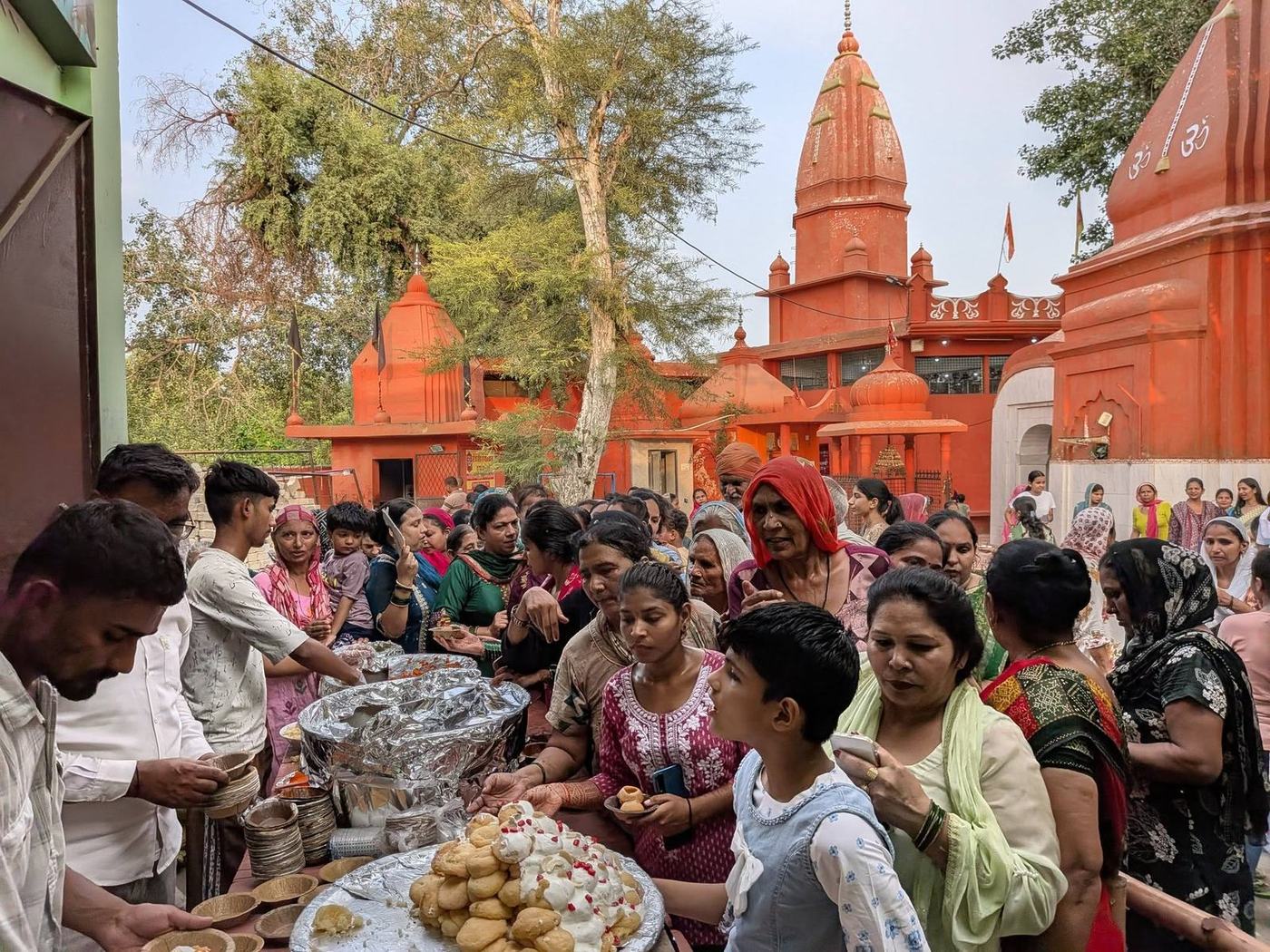
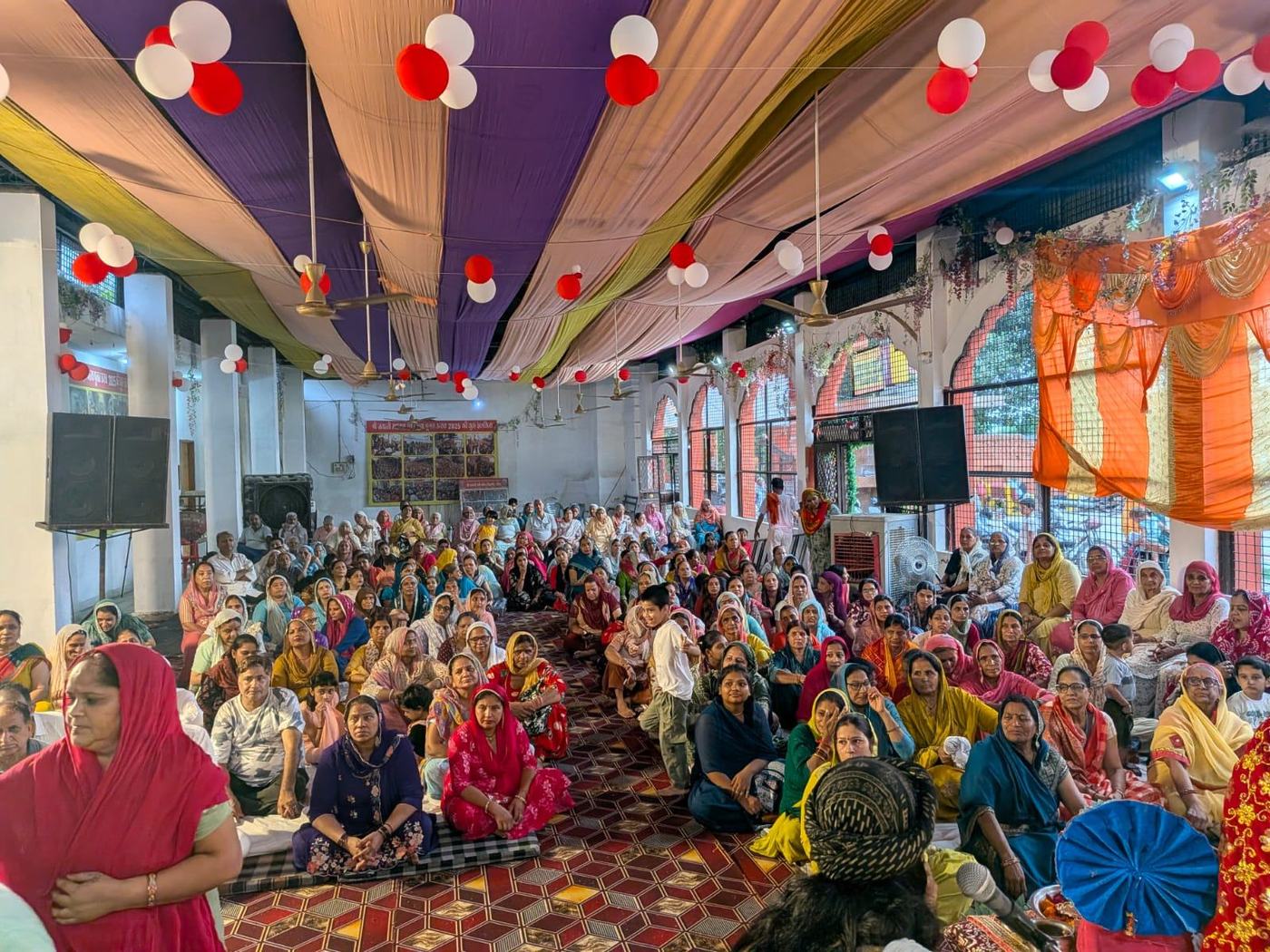
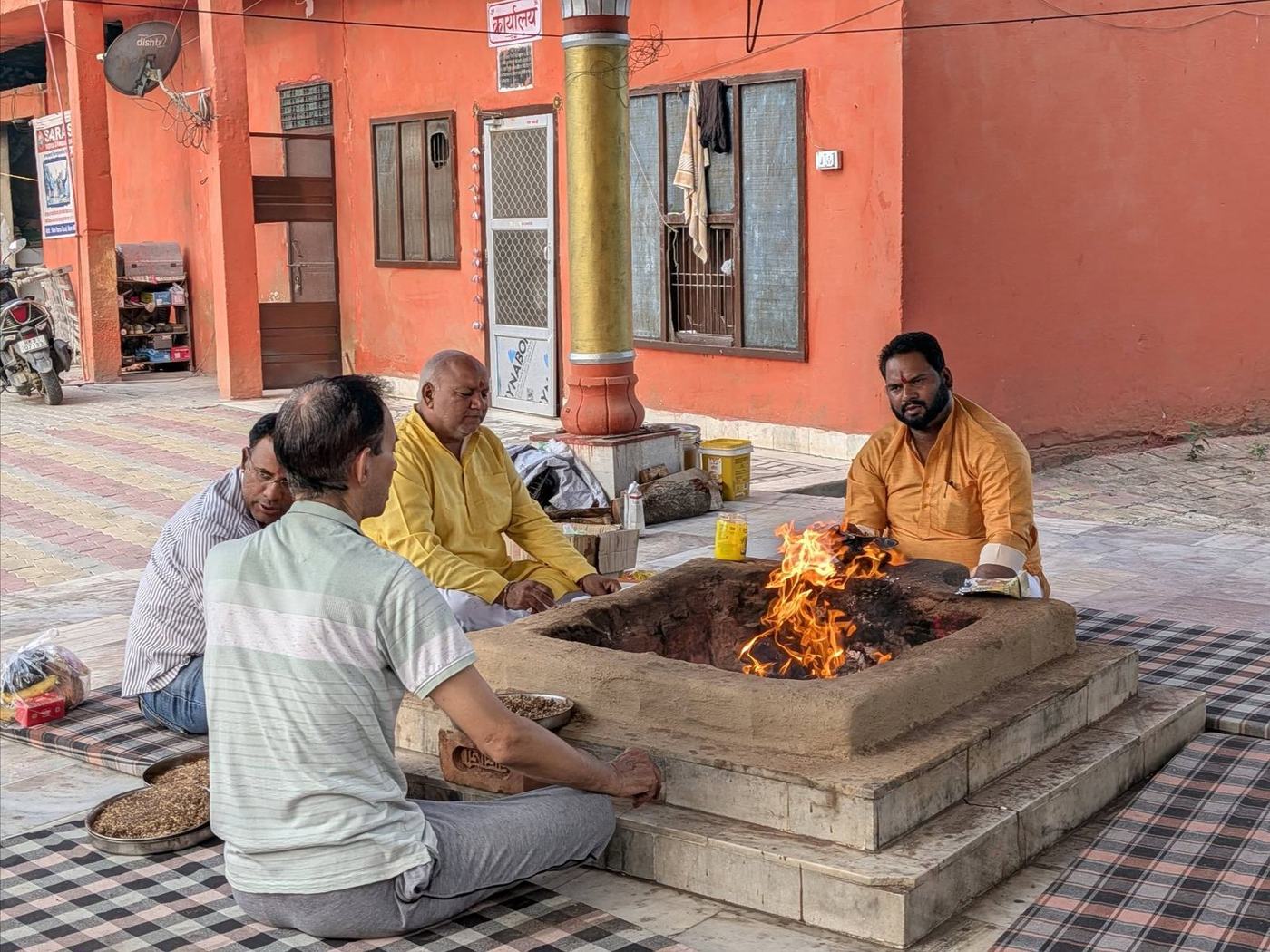
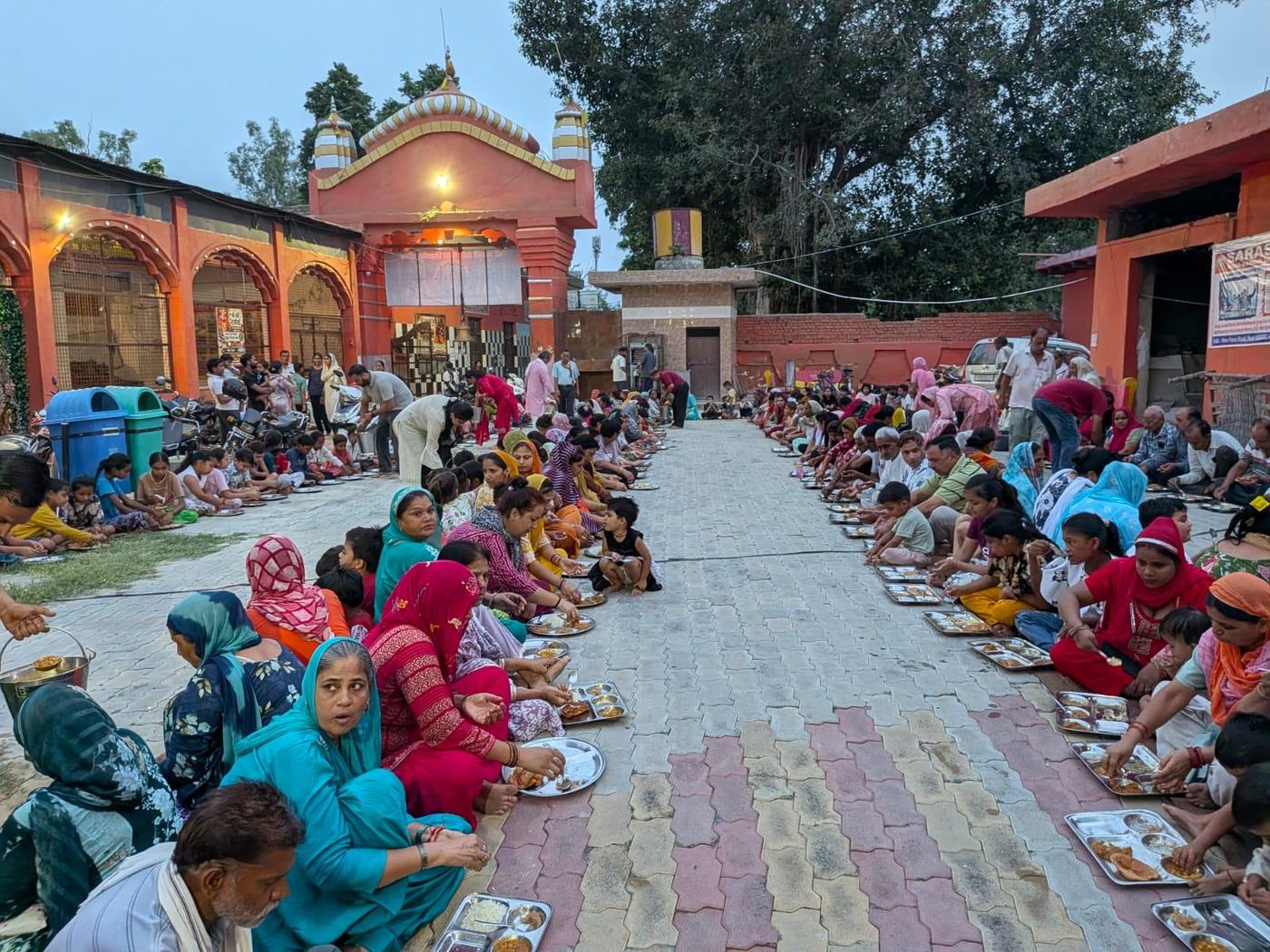
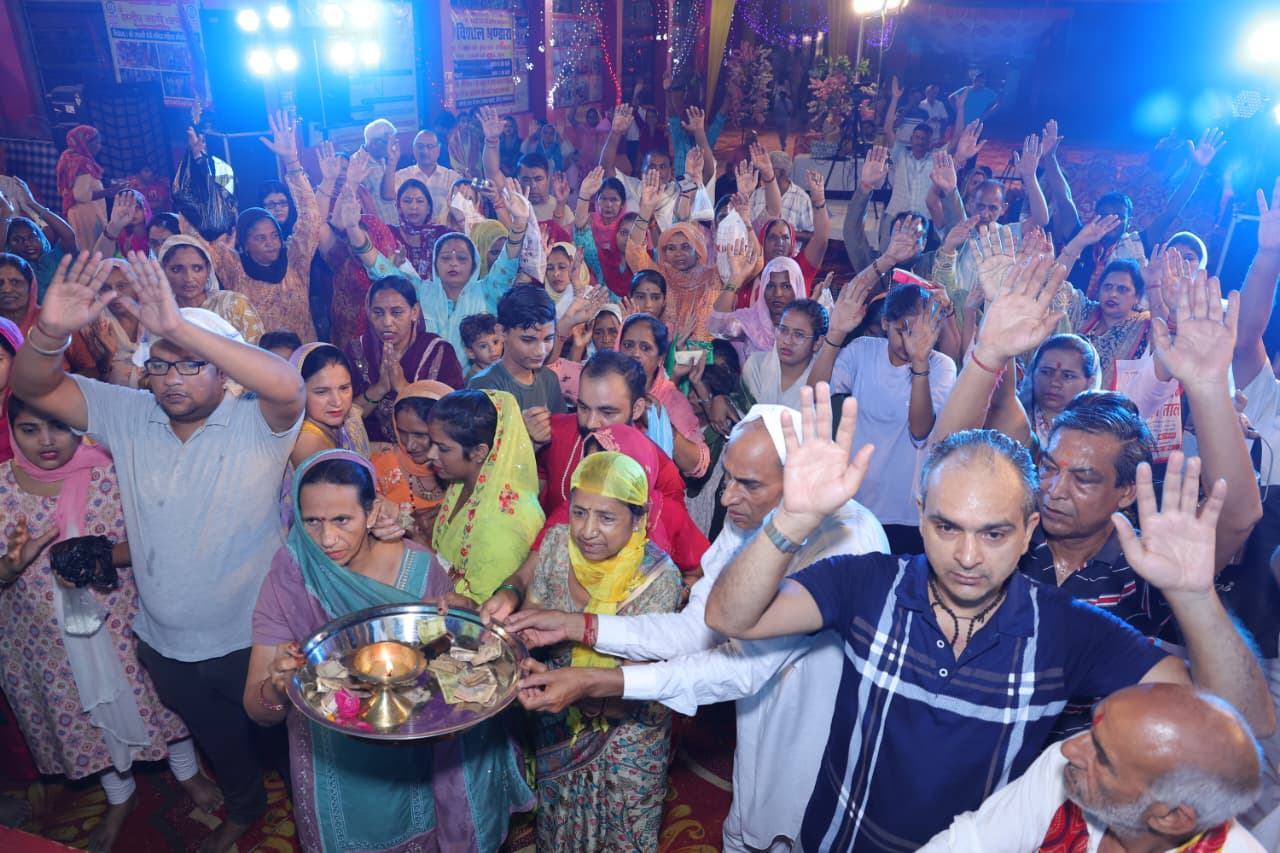
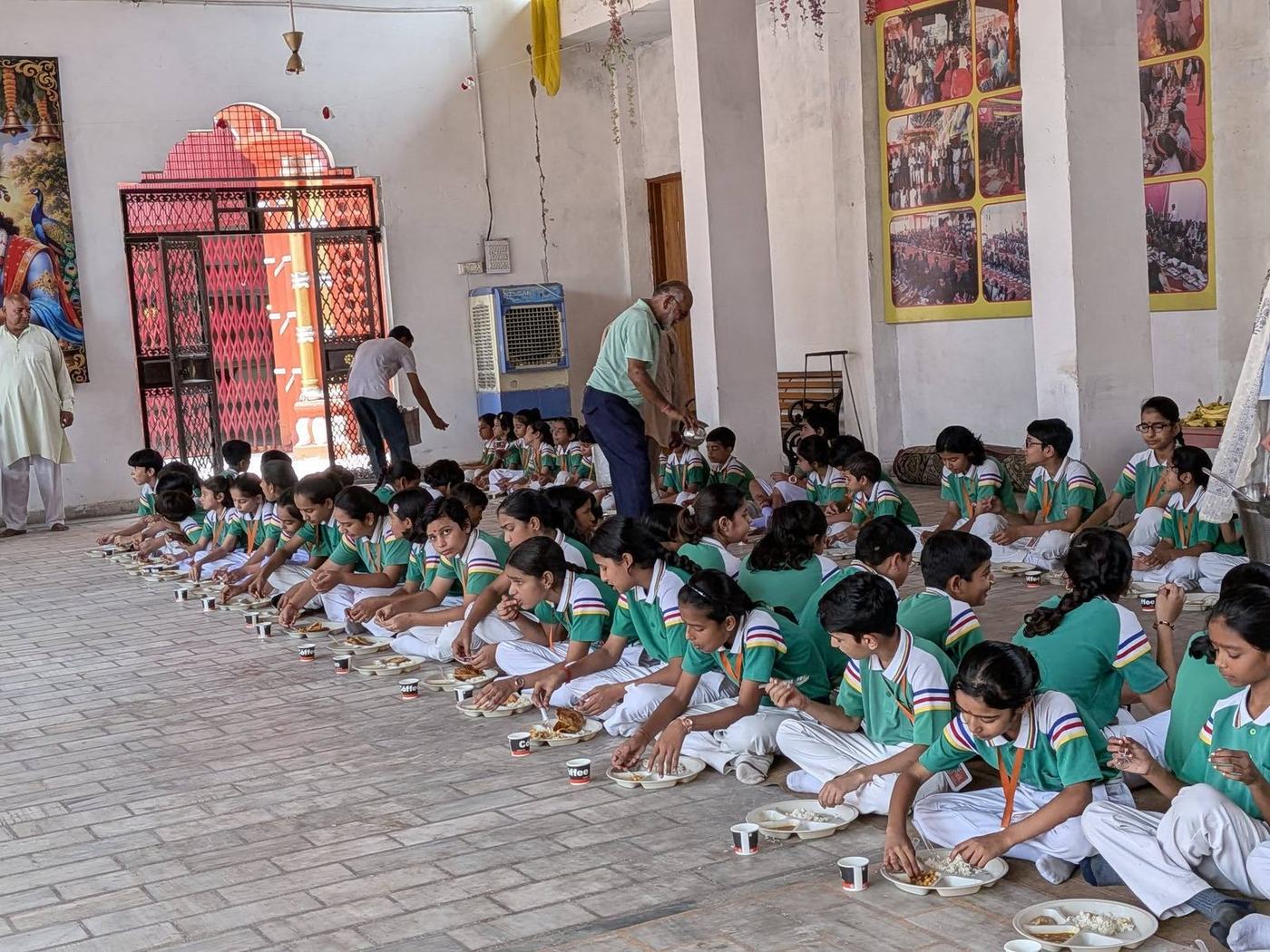
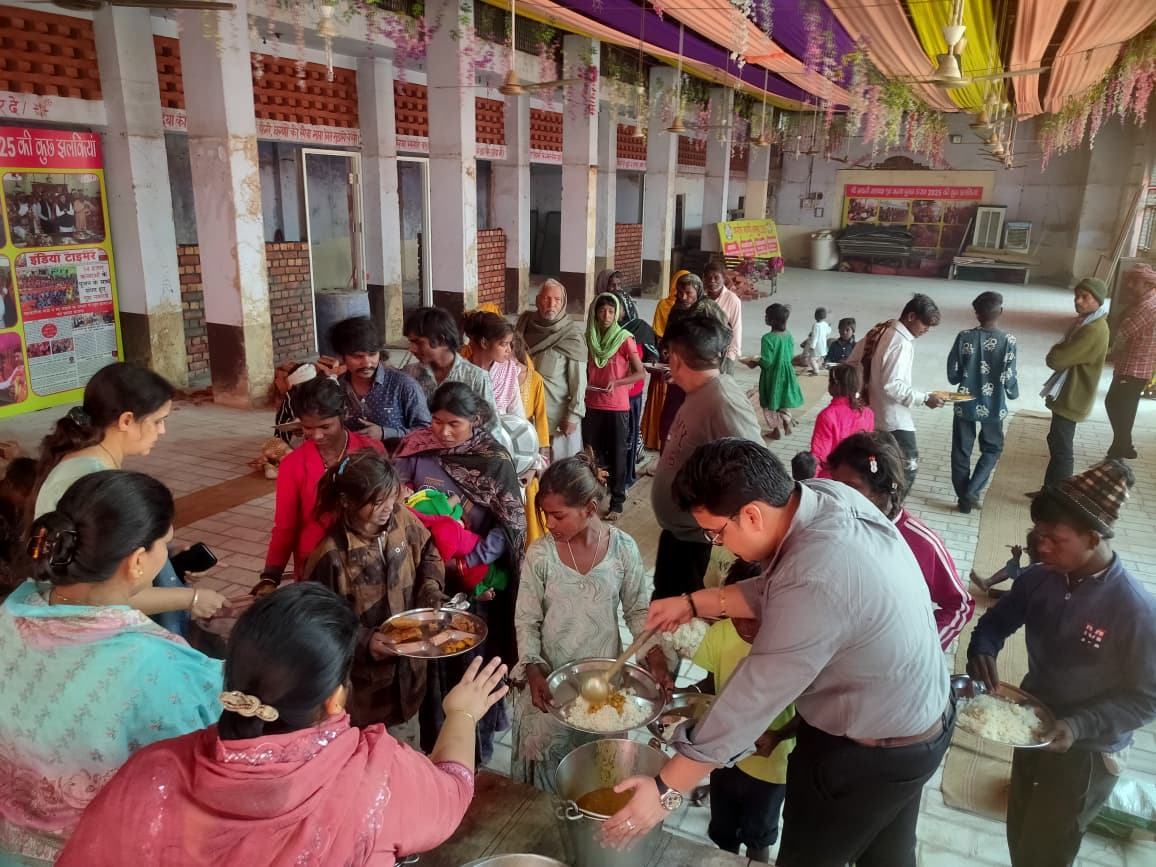
Today, the temple remains a living centre of worship, bringing together daily prayer, festivals, yajnas, aarti, community celebrations and seva.
The Story of Jind
Where the story begins
The traditional history of Jind reaches back to the age of the Mahabharata.
The temple is not only a place of worship. It is a place where generations meet—through prayer, festivals, music, yajna, seva and community.
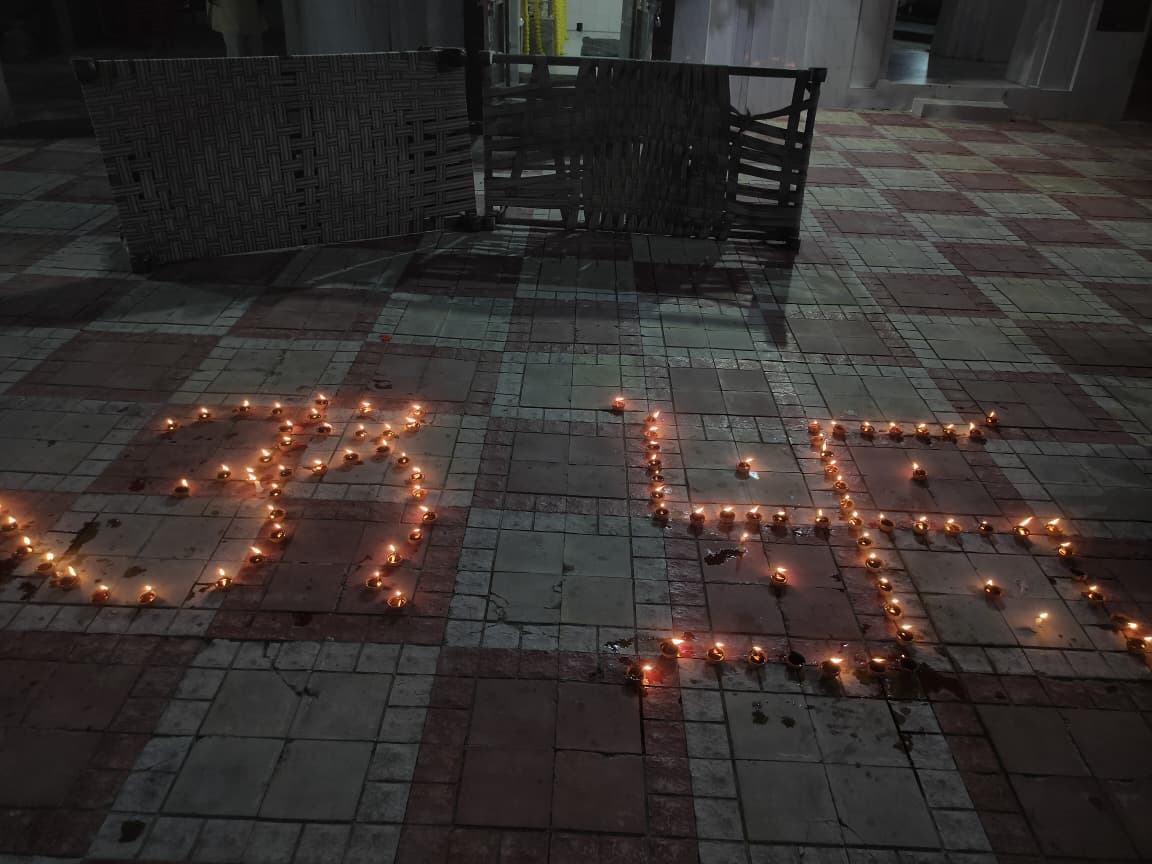
From the chanting of sacred texts to the lighting of the evening aarti, the traditions of the temple continue to be lived rather than simply remembered.
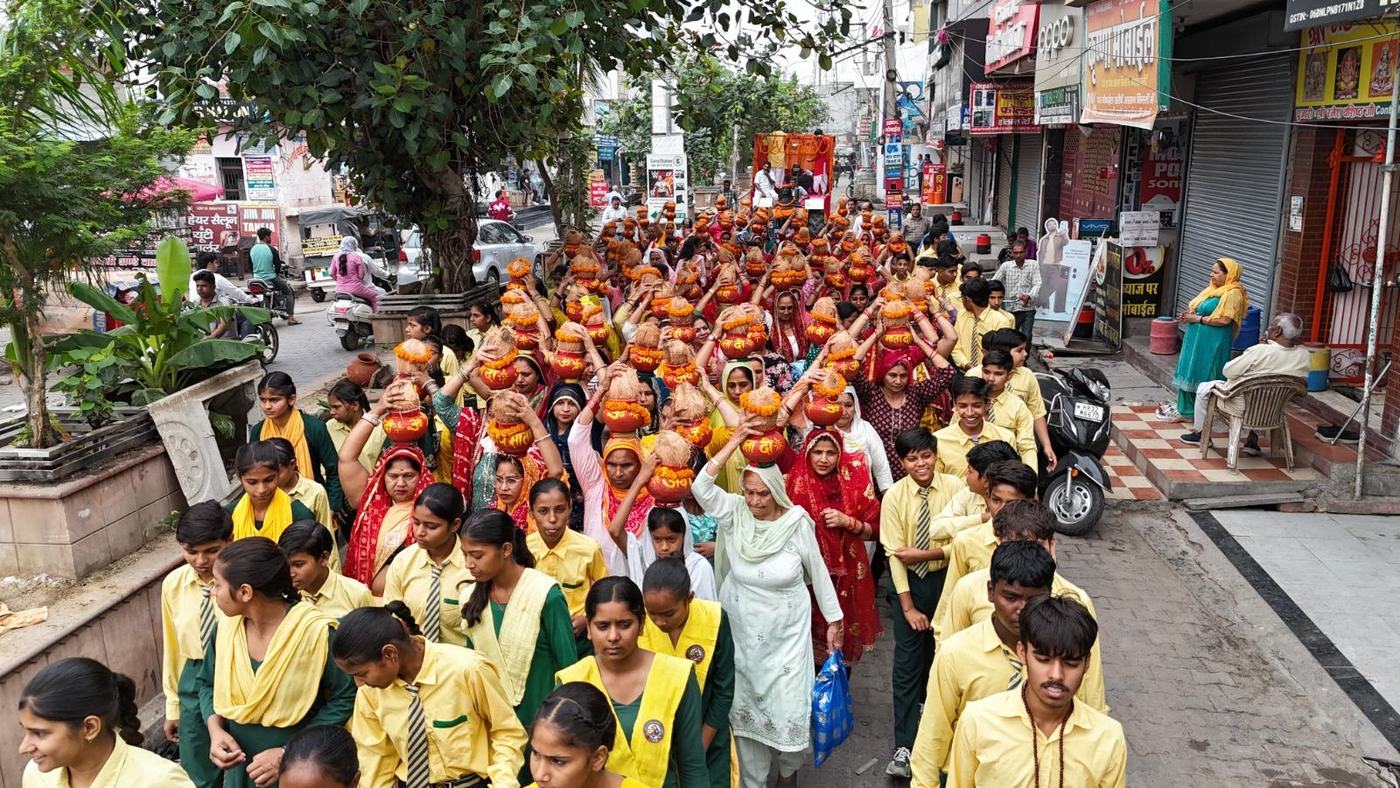
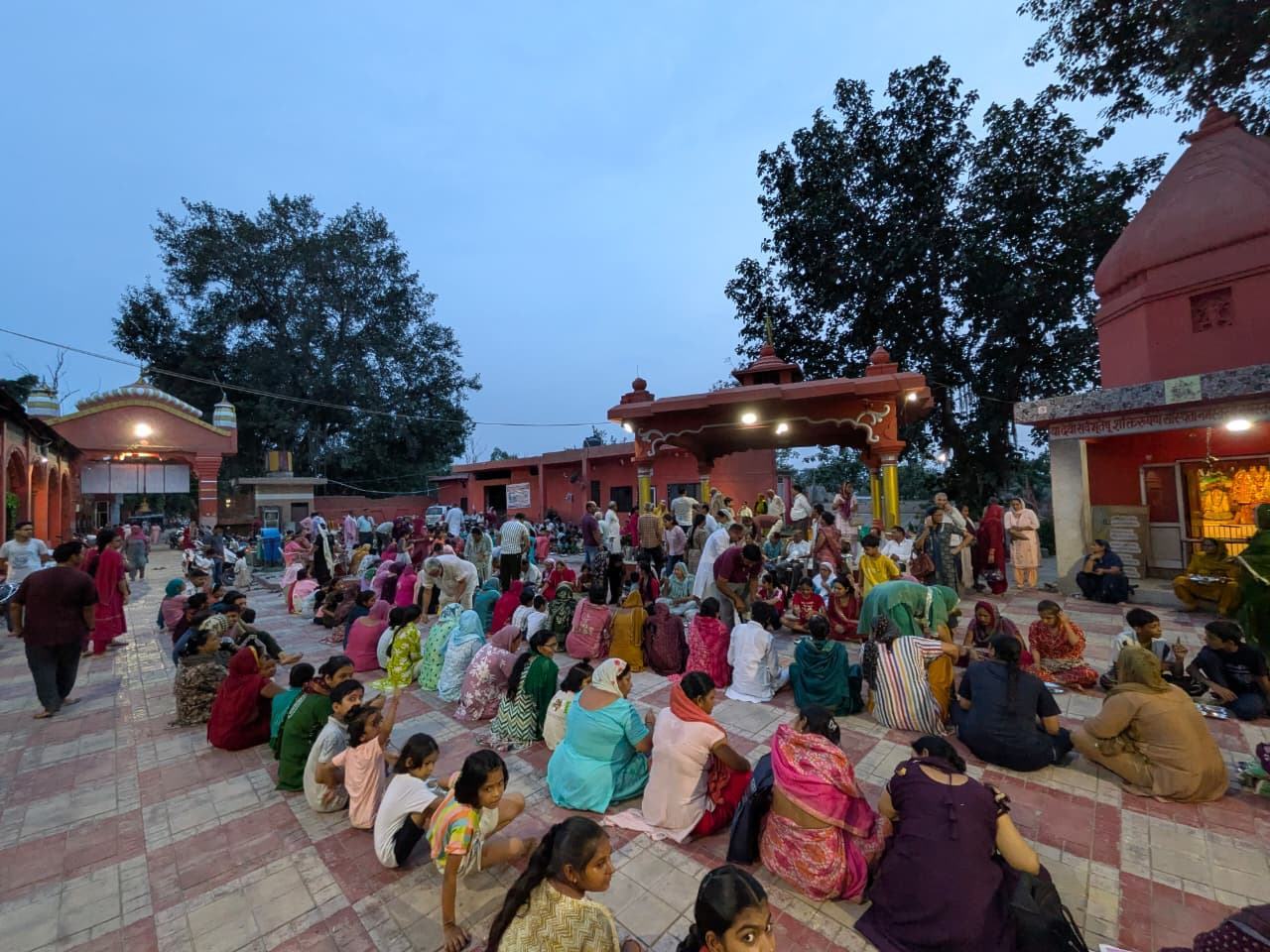
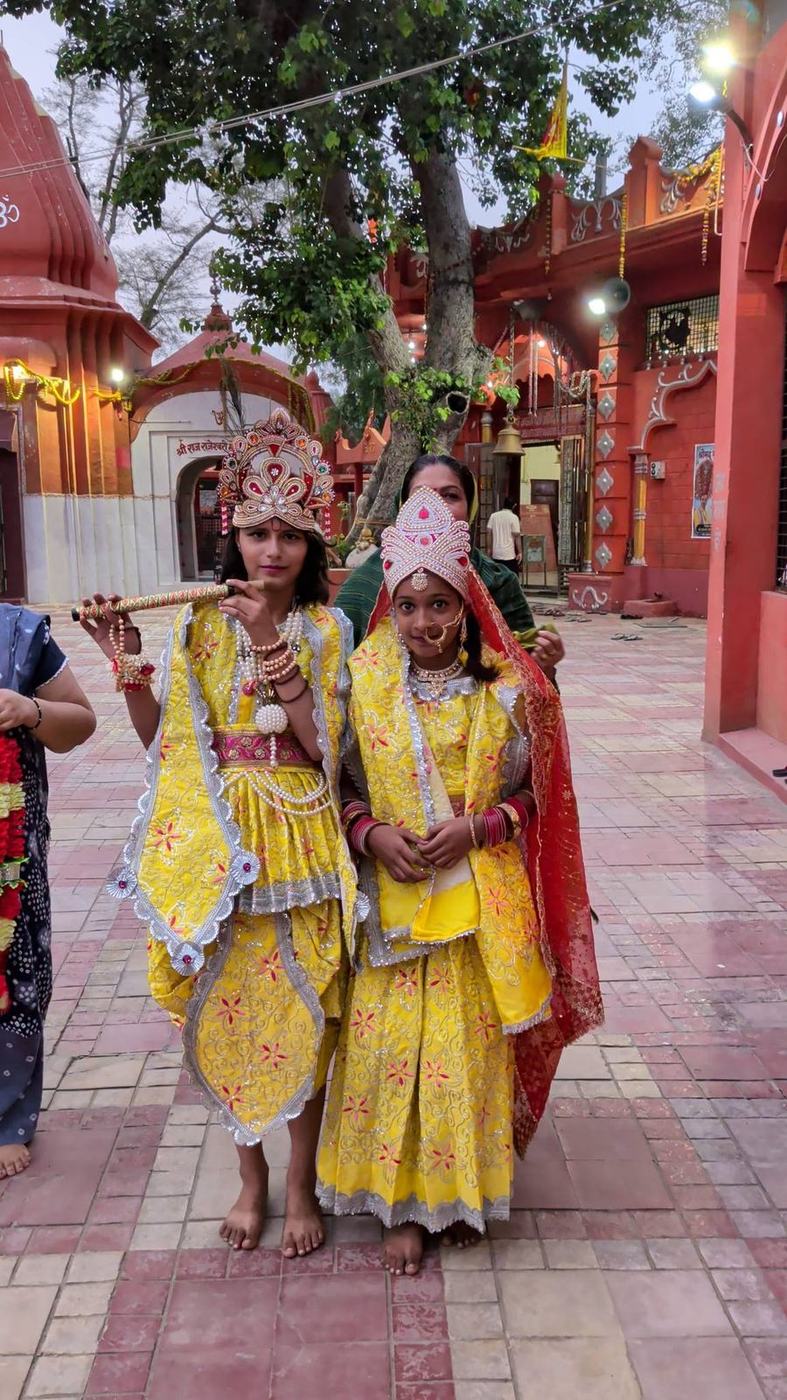
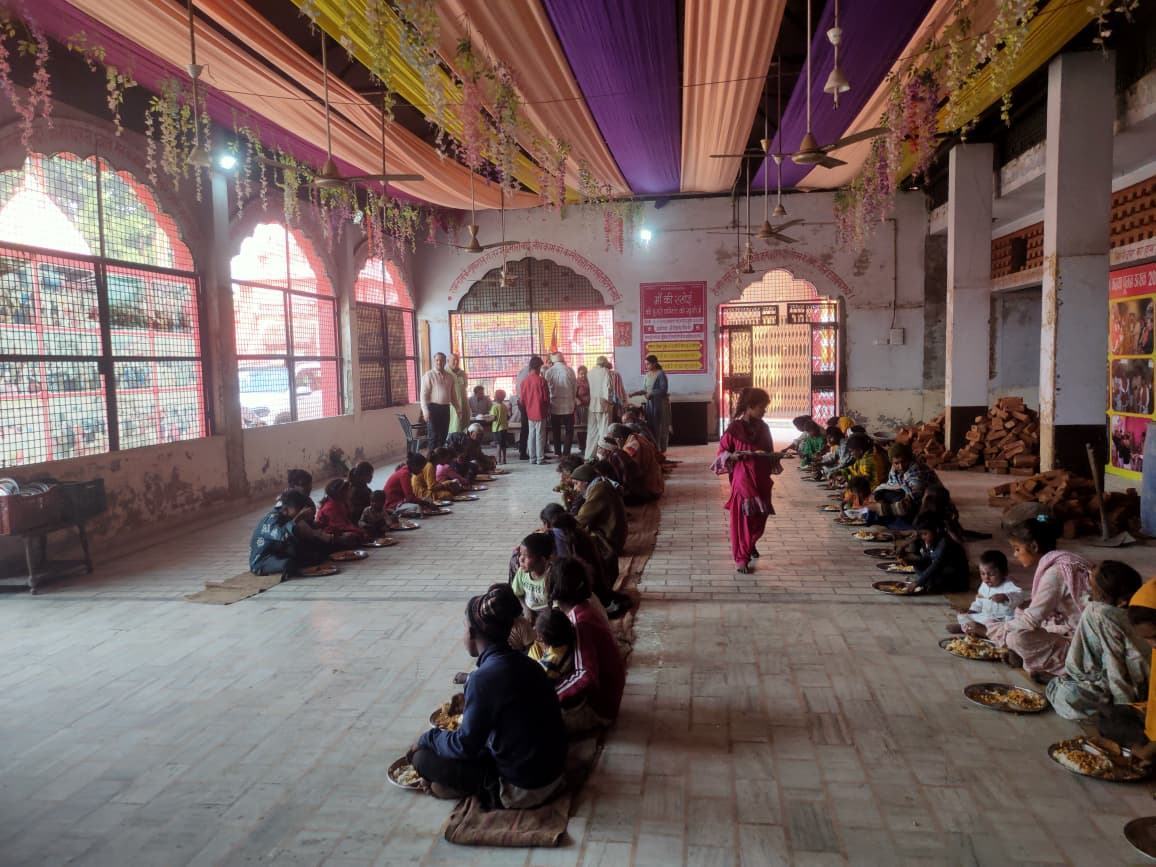
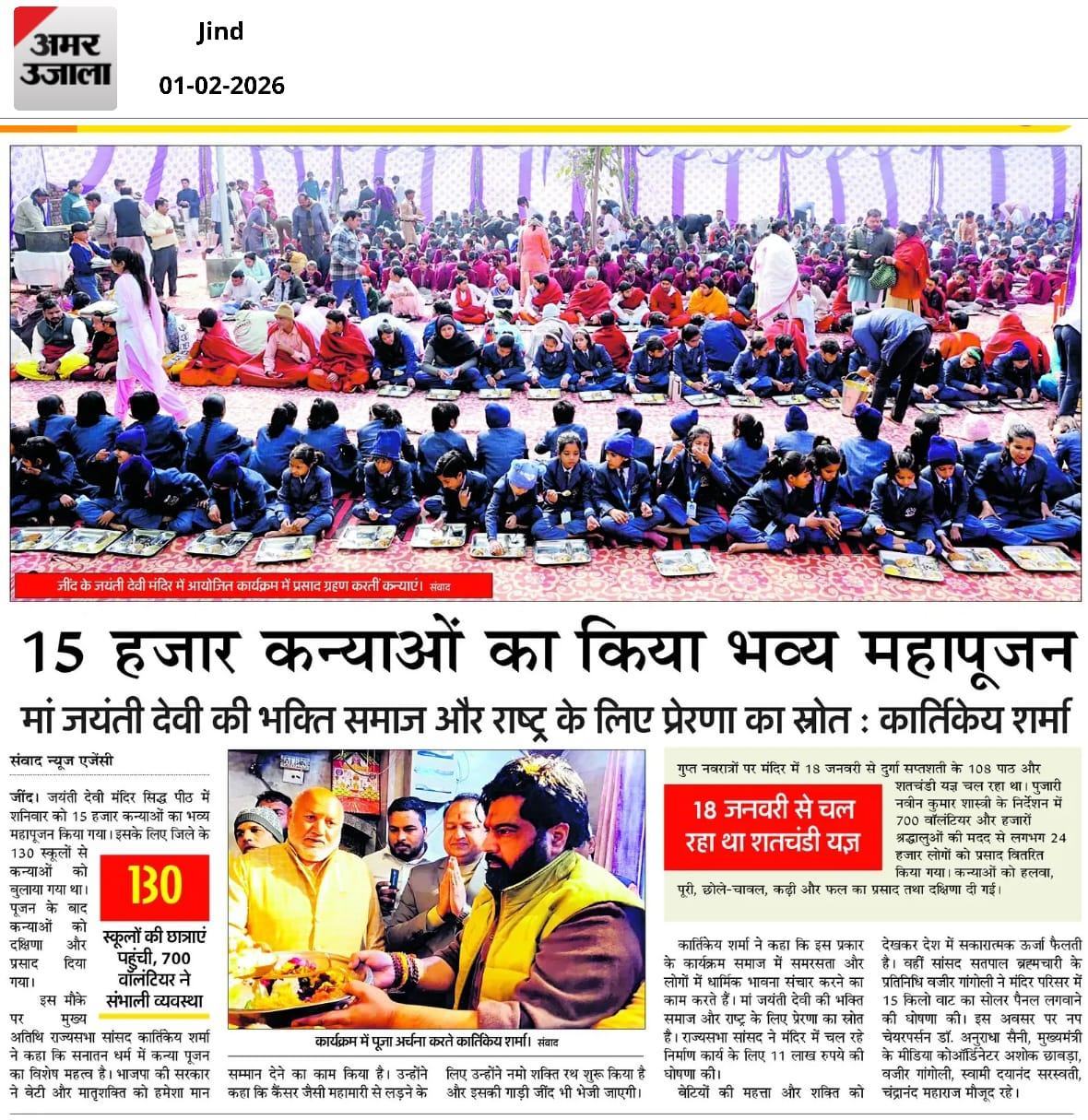
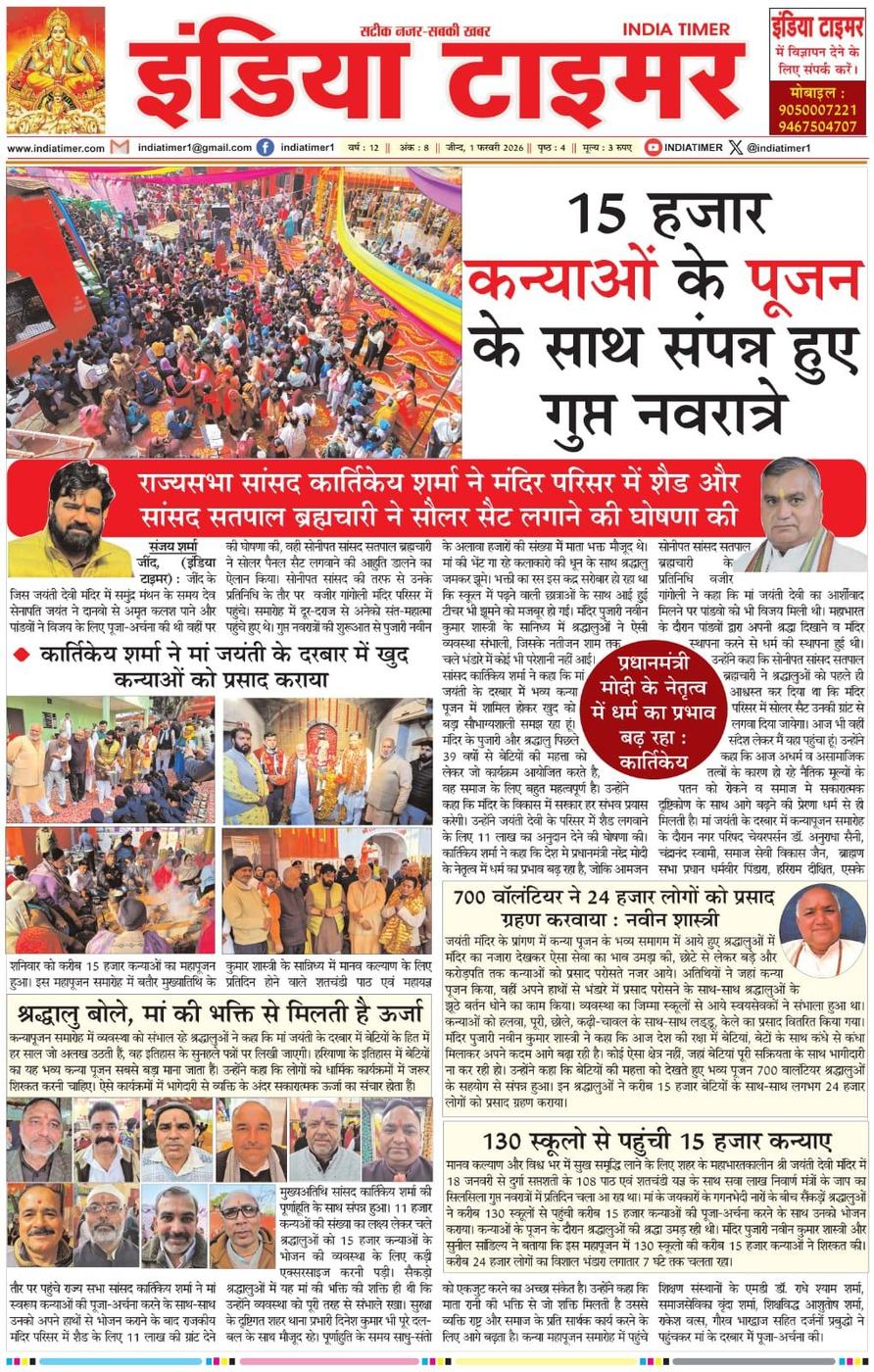
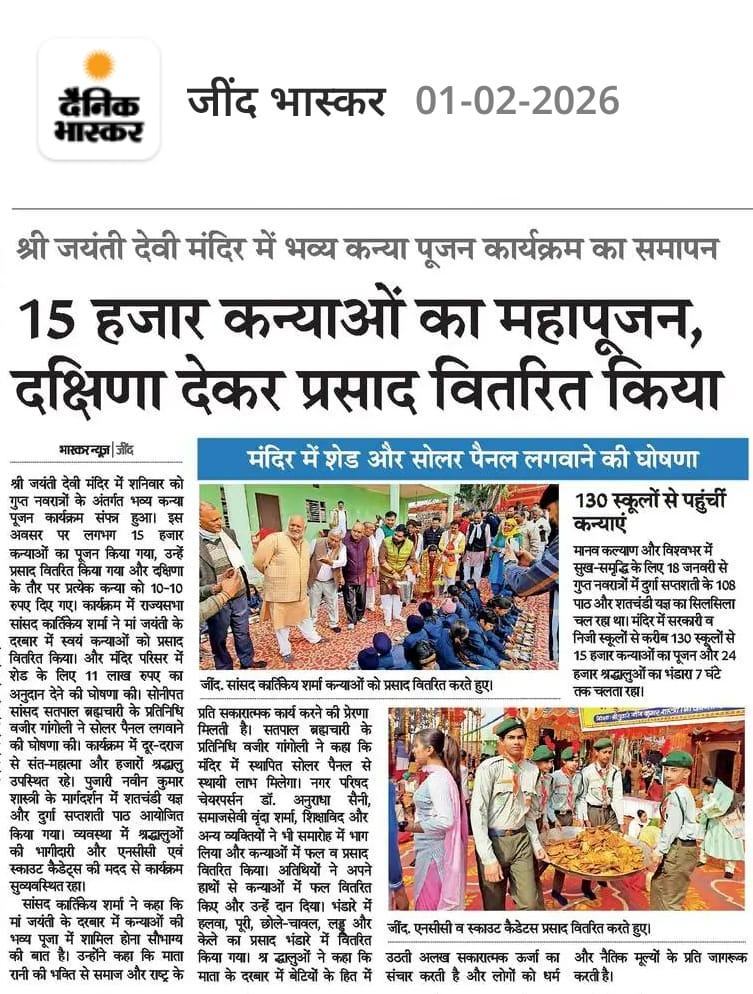
One of the temple’s most remarkable living traditions is its annual Kanya Pujan during Gupt Navratri.
What began decades ago as a much smaller observance has grown into a major gathering. In 2026, the temple announced the worship of thousands of girls as part of the celebrations.
कन्या बचेगी–सृष्टि बचेगी कन्या पूजन–हमारी संस्कृति